

Egypt opens $1 billion world’s largest museum near Giza Pyramids
Two decades in the making, the museum houses over 50,000 ancient artefacts
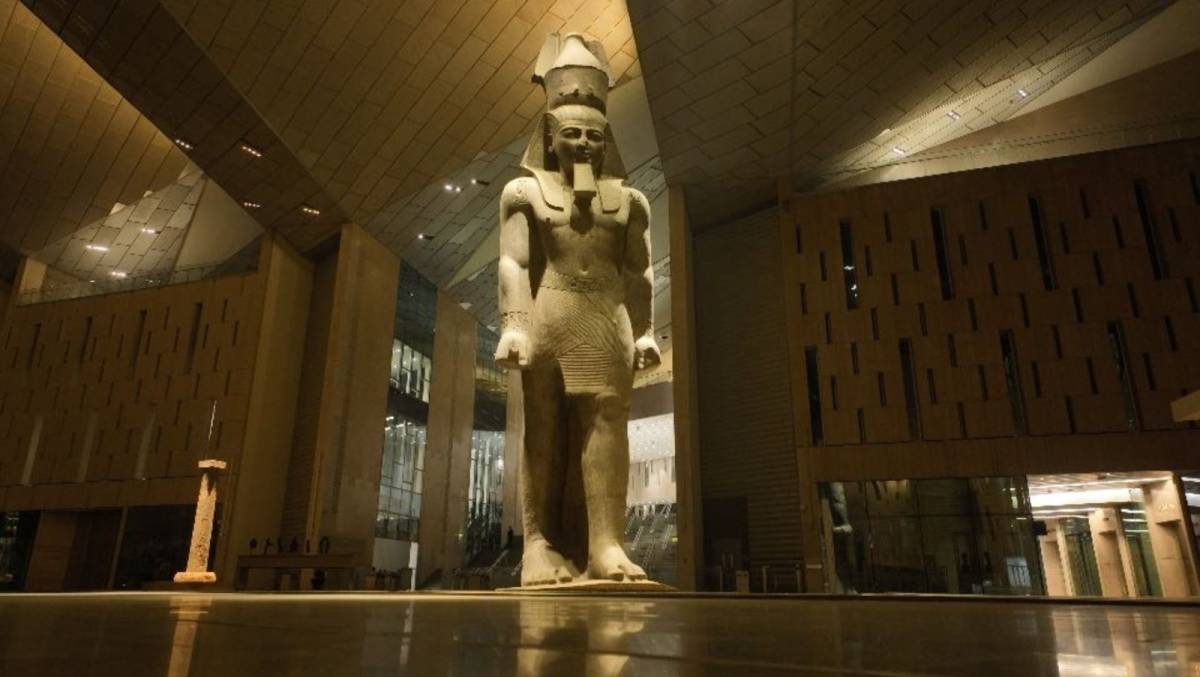
DUBAI – After more than two decades of anticipation, Egypt has officially opened the Grand Egyptian Museum (GEM), the world’s largest archaeological museum dedicated to a single civilisation.
Situated just two kilometres from the Giza Pyramids and Sphinx, the $1 billion complex offers an unprecedented glimpse into over 5,000 years of Egyptian history.
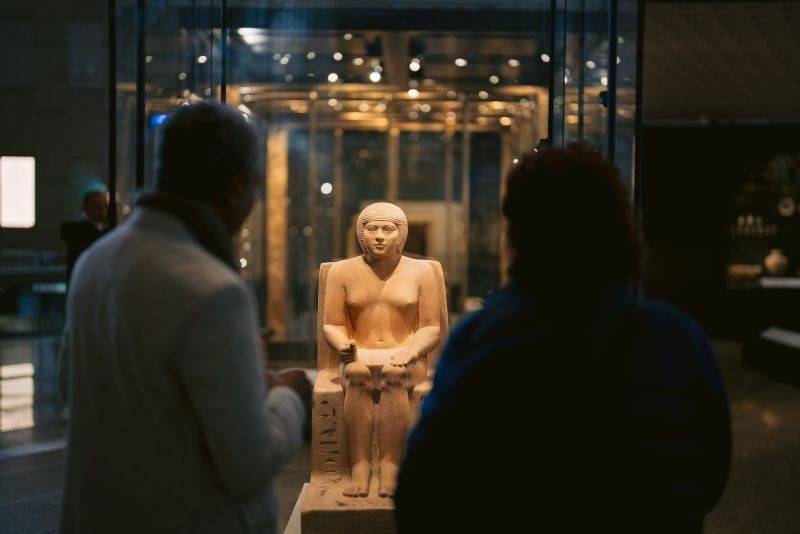
World leaders, dignitaries, and archaeologists attended the inauguration ceremony, described by Egyptian President Abdel-Fattah el-Sissi as “an exceptional event in the history of human civilisation.” The president said the museum unites “the genius of ancient Egyptians and the creativity of modern Egyptians,” symbolising the nation’s cultural revival.
Grand Egyptian Museum
The museum’s triangular glass façade mirrors the geometry of the nearby pyramids, while its sprawling 120-acre site houses 24,000 square metres of permanent exhibition space.

Visitors are greeted by a colossal granite statue of Ramses the Great, one of ancient Egypt’s most powerful pharaohs, before ascending a six-storey staircase lined with statues and relics that trace the evolution of Egyptian civilisation.
A bridge connects the museum directly to the Giza Plateau, allowing tourists to move between the pyramids and the museum via electric vehicles or on foot. Inside, 12 galleries trace Egypt’s journey from prehistoric times to the Roman era through immersive digital installations, holograms, and interactive exhibits.
Tutankhamun’s treasures
At the heart of the GEM lies the Tutankhamun Galleries, which display all 5,398 artefacts discovered in the boy pharaoh’s tomb by British archaeologist Howard Carter in 1922. Many of these pieces are being shown together for the first time, including Tutankhamun’s iconic golden mask, gilded coffin, bejewelled throne, and six royal chariots.
Renowned archaeologist Zahi Hawass described the Tutankhamun collection as “the museum’s masterpiece.”
من المتحف المصري الكبير (تصويري) ❤️ #المتحف_المصري_الكبير #GrandEgyptianMuseum #مصر_بتفرح_العالم_بيتفرج
— Mahmoud Yousef (@Mahmoud12236186) November 1, 2025
المتحف الكبير ١ نوفمبر #visit_Egypt #ام_الدنيا مصر القديمه #افتتاح_اسطوري #تحيا_مصر مصر الحضاره القنوات الناقله الافتتاح الساعه #grande_gyptian_museum #هديه_مصر_للعالم pic.twitter.com/7XEFBvAdOv
Among the exhibits is the young ruler’s celestial dagger, crafted from meteorite iron – a symbol of divine power. Advanced conservation technology ensures the delicate preservation of each piece while offering visitors an up-close encounter with ancient craftsmanship.
A modern cultural hub
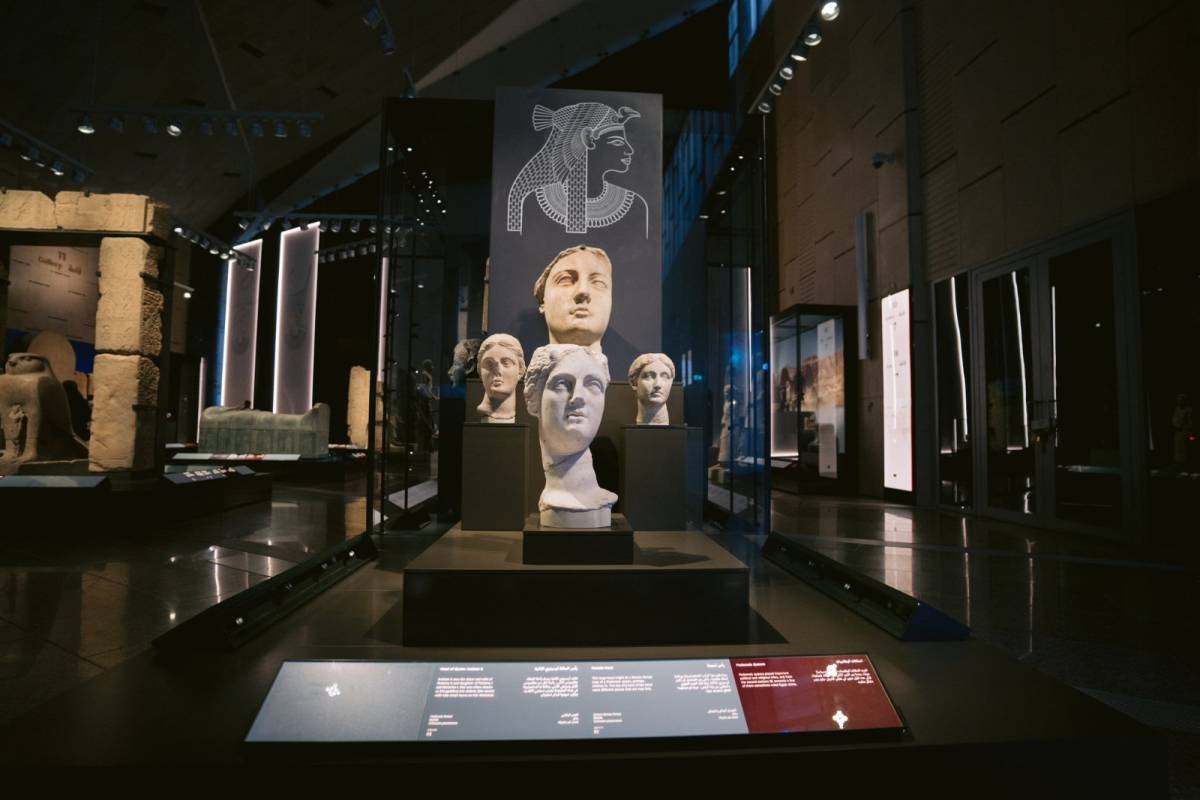
Beyond its vast collection, the GEM embraces modernity with climate-controlled laboratories, restoration centres, and augmented-reality experiences that bring ancient Egypt to life. The museum also showcases 132 underwater artefacts from the sunken cities of Thonis-Heracleion and Canopus, along with treasures from the Saqqara necropolis unearthed in recent excavations.
The area surrounding the museum has been transformed into a modern cultural hub, with new highways, a metro station under construction, and the recently opened Sphinx International Airport located 40 minutes away. These developments are designed to make the Giza Plateau more accessible and to elevate Egypt’s tourism infrastructure.
Revival of Egypt’s tourism
The museum’s opening marks a milestone in Egypt’s efforts to revitalise tourism – a sector contributing nearly 8% to the country’s GDP.
In 2024, Egypt welcomed a record 15.7 million tourists, and officials now expect up to 18 million in 2025, with a target of 30 million annually by 2032. The GEM alone is projected to attract up to 7 million visitors each year, positioning it among the world’s top cultural destinations.